Redwood Tree Trimming Best Practices
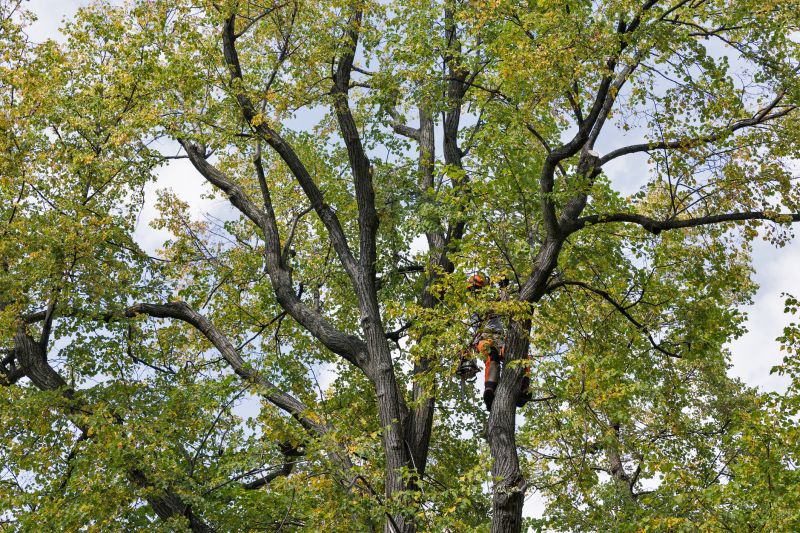
Spring is often ideal for trimming redwoods to promote healthy growth and remove dead branches.
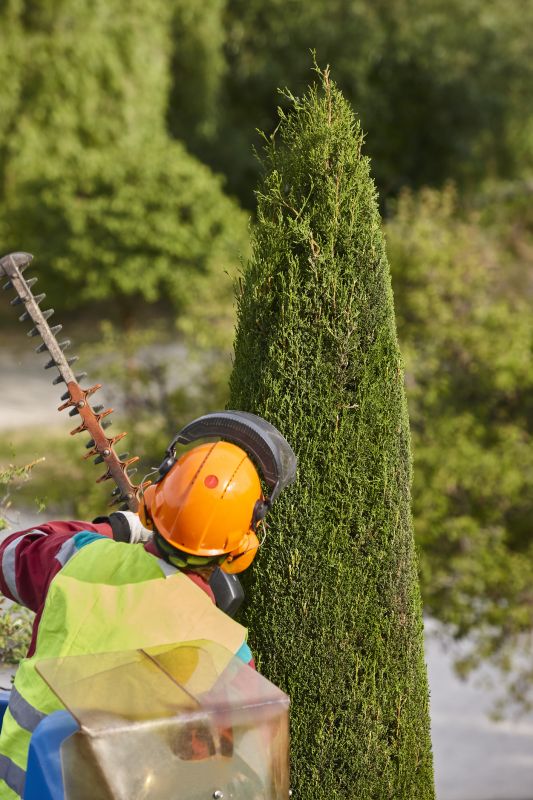
Summer trimming should be done cautiously to avoid stress during peak heat and growth periods.
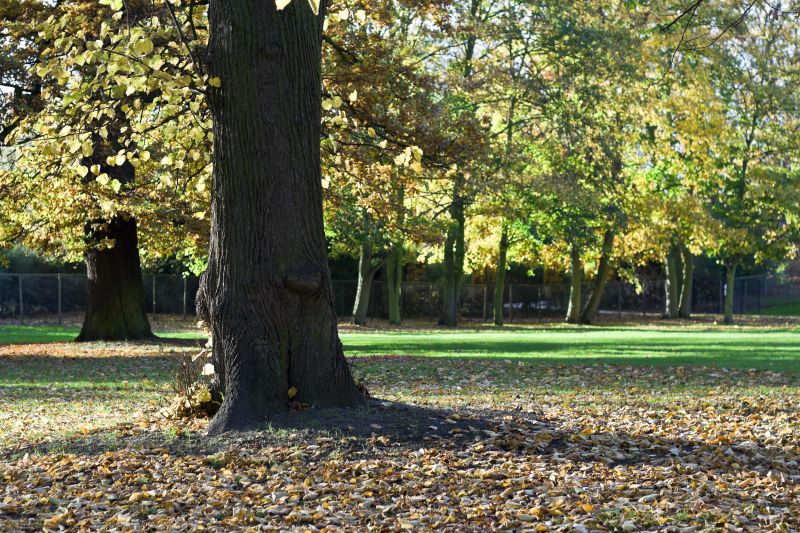
Autumn can be suitable for light trimming, preparing trees for winter dormancy.
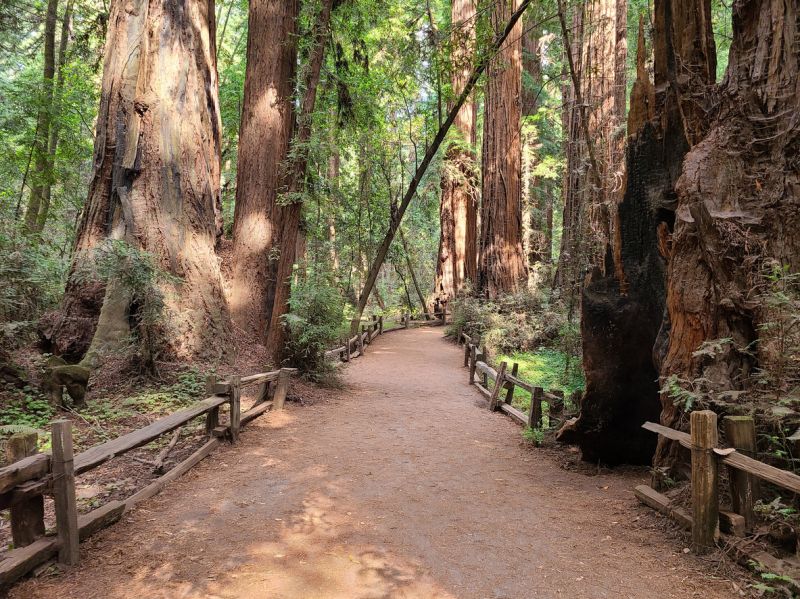
Ways to make Redwood Tree Trimmings work in tight or awkward layouts.
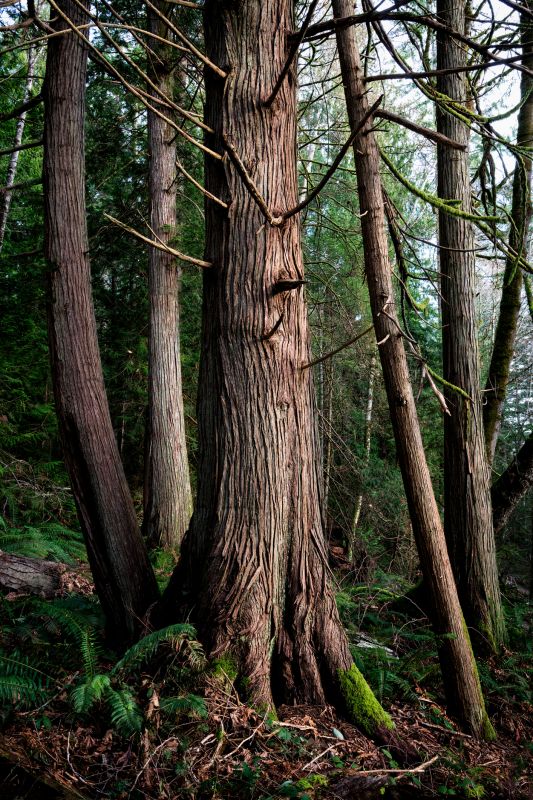
Popular materials for Redwood Tree Trimmings and why they hold up over time.
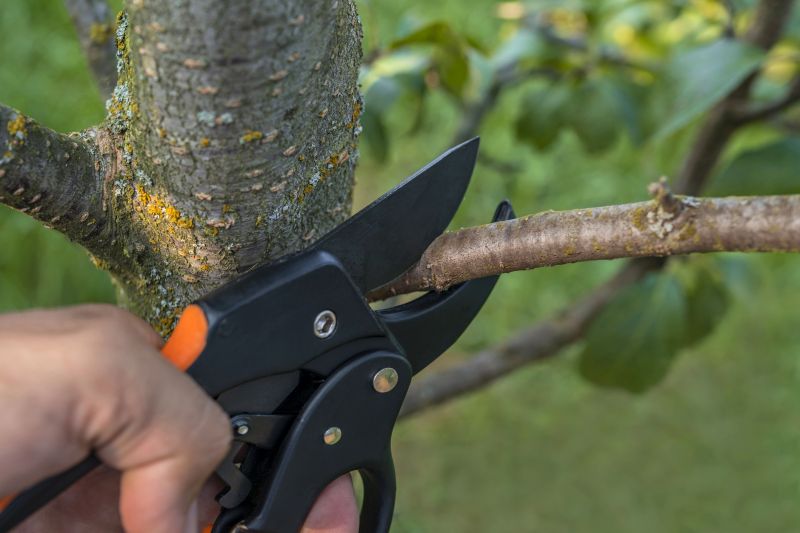
Simple add-ons that improve Redwood Tree Trimmings without blowing the budget.
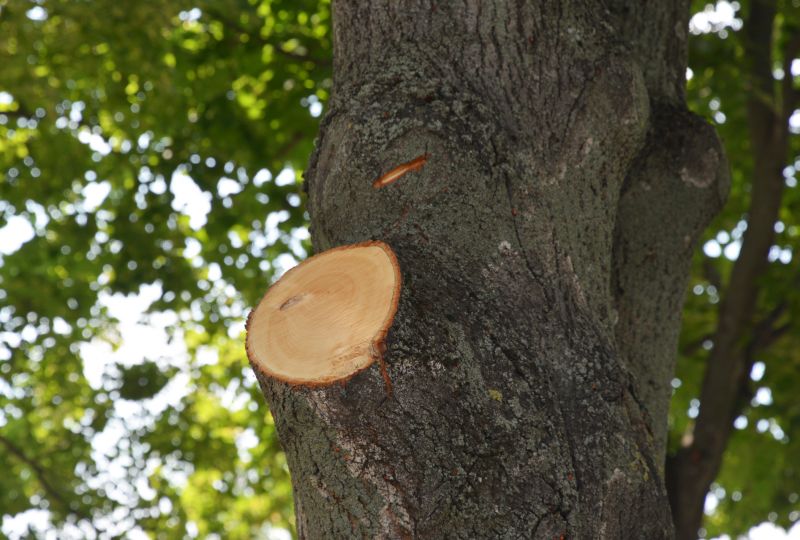
High-end options that actually feel worth it for Redwood Tree Trimmings.

Finishes and colors that play nicely with Redwood Tree Trimmings.
Redwood tree trimmings involve the careful removal of dead, diseased, or overgrown branches to maintain tree health and aesthetic appearance. Proper timing ensures minimal stress and promotes vigorous growth. Typically, the optimal period for trimming is during the late winter to early spring when the tree is dormant, reducing sap loss and allowing for quicker recovery.
Statistics indicate that trimming during dormancy can lead to a 20-30% increase in growth rate in the following season. Additionally, regular pruning can extend the lifespan of redwoods by removing weak or damaged limbs that may pose hazards. The best practices involve avoiding heavy trimming during late summer or fall to prevent disease susceptibility and stress.
Remove dead, broken, or diseased branches promptly to prevent spread and damage.
Trimming at the wrong time can lead to increased stress, disease, and reduced growth.
Understanding seasonal growth helps determine the best trimming window for redwoods.
Consulting arborists ensures trimming is done at optimal times for health and safety.
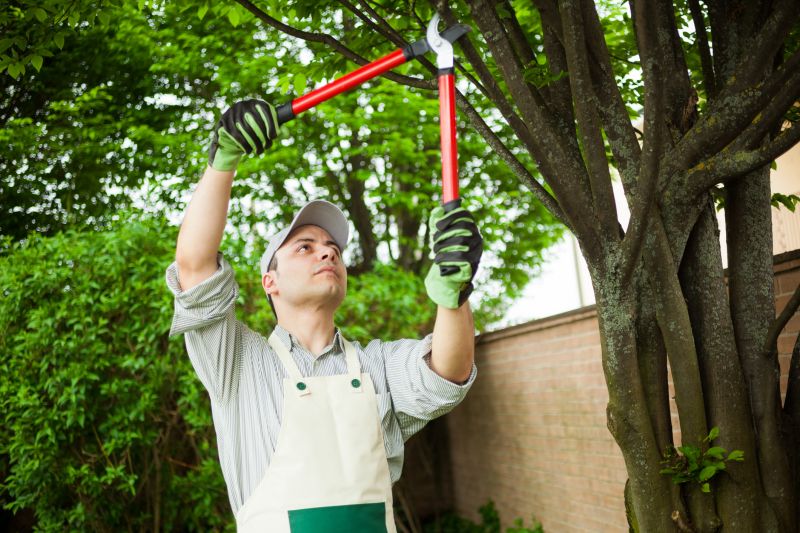
Use specialized pruning tools for clean cuts and minimal damage.
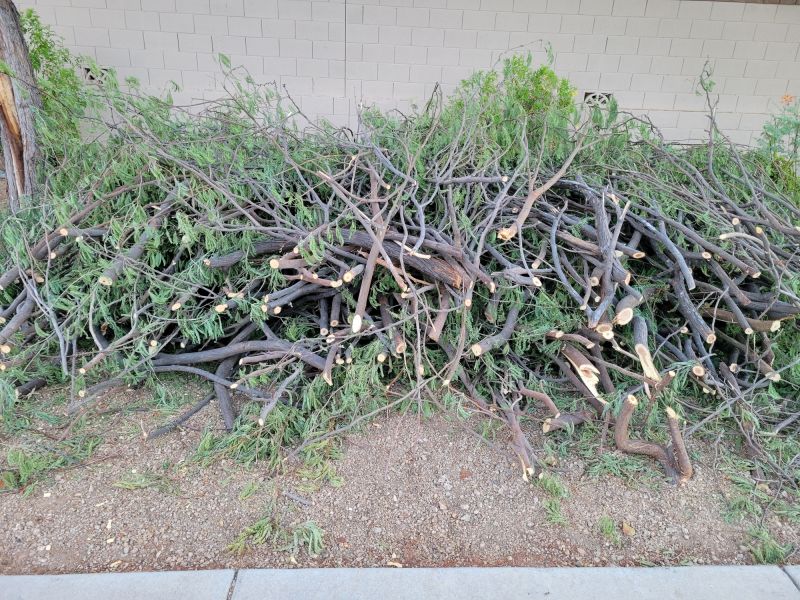
Regular trimming promotes strong, healthy growth.
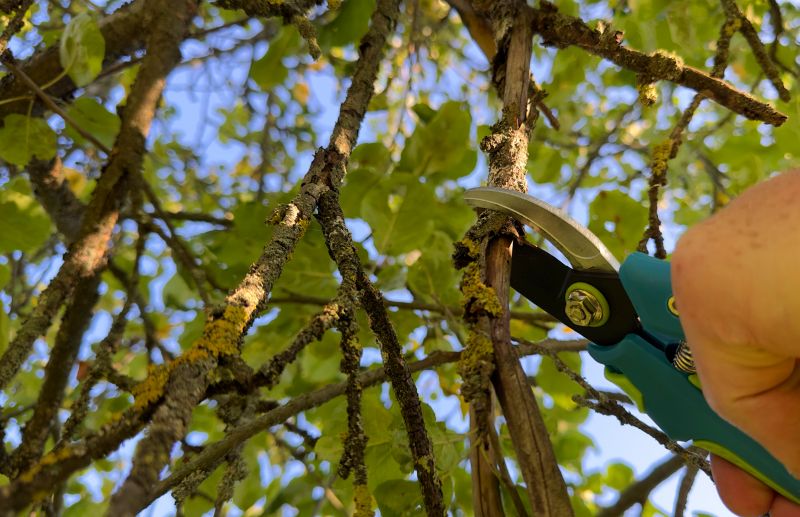
Removing dead branches prevents disease and decay.
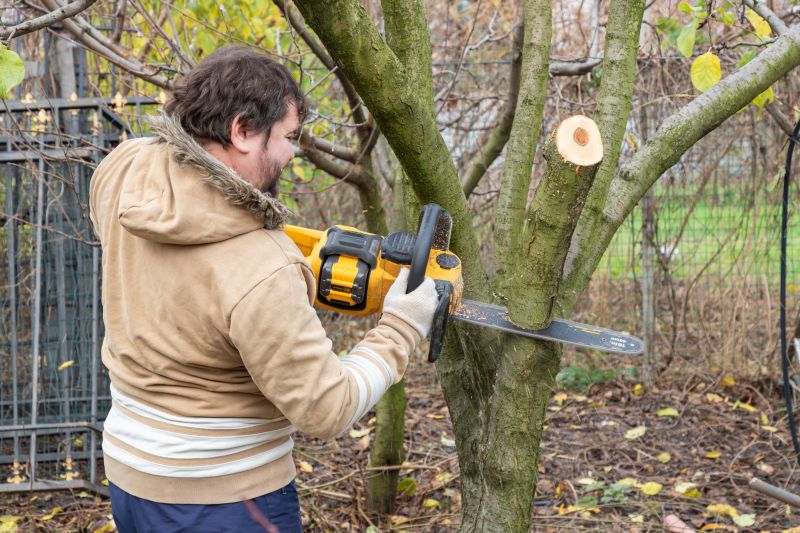
Proper cuts help maintain natural shape and structure.
Plan trimming activities according to seasonal growth cycles.
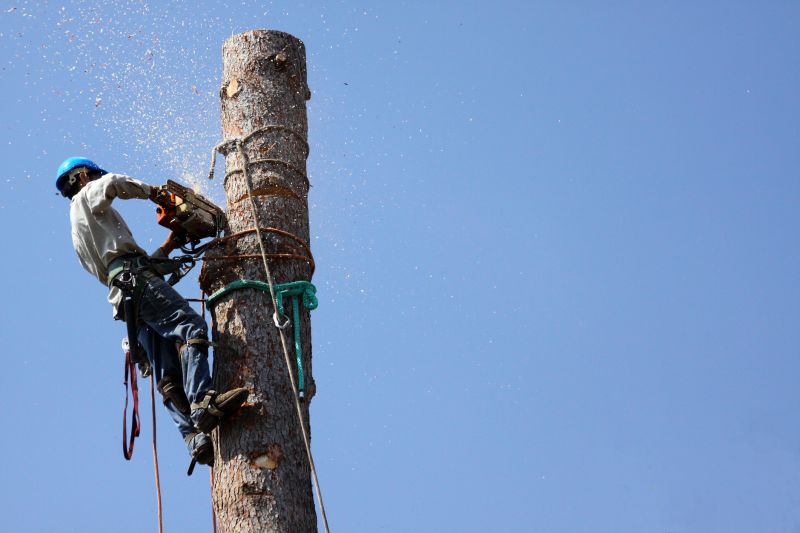
Regular inspections inform optimal trimming times.
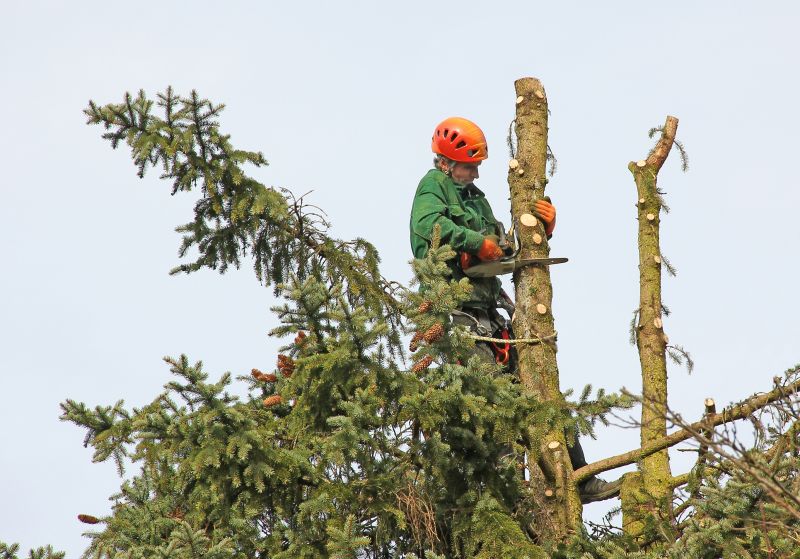
Use protective equipment to ensure safety during trimming.
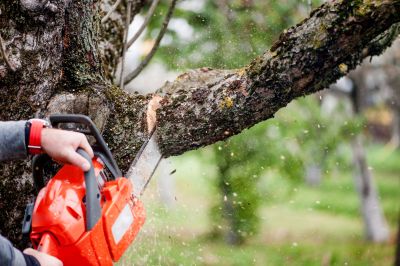
Visual comparisons show the benefits of proper trimming.
| Season | Recommended Trimming Activity |
|---|---|
| Winter | Dormant pruning, light trimming |
| Spring | Remove dead or damaged branches |
| Summer | Light trimming, avoid stress |
| Autumn | Light pruning, prepare for dormancy |
Timely trimming of redwood trees enhances their structural stability and visual appeal. Proper timing reduces the risk of disease and promotes healthy growth cycles. Consulting with arboriculture professionals can help determine the most suitable period for specific trees based on their size, age, and health status.
Interested in Redwood Tree Trimmings? Fill out the contact form to receive more information about scheduling and best practices for maintaining healthy, beautiful redwoods.