
Leading Products For Redwood Tree Trimmings You Can Trust
Explore top-rated tools and accessories designed to make redwood trimming efficient, safe, and effective for both amateurs and professionals
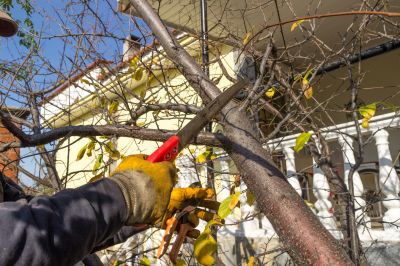 Trimming and maintaining redwood trees requires specialized tools and products to ensure safety and effectiveness. Proper equipment helps manage overgrowth, remove dead or damaged branches, and promote healthy growth. When selecting products for redwood tree trimmings, it is important to consider the size and height of the trees, as well as the type of trimming needed. Using the right tools can make the process safer, more efficient, and less labor-intensive.
Top Overall Option
Telescoping Pole Pruner
A versatile telescoping pole pruner allows users to reach high branches safely from the ground, reducing the need for ladders. It typically features an adjustable length, ergonomic design, and a sharp cutting head for efficient trimming of redwood tree branches. This tool is suitable for light to moderate trimming tasks and offers a balance of safety and convenience.
Types of Products For Redwood Tree Trimmings
Hand Pruners
Ideal for precise cuts on small branches and foliage, hand pruners are essential for detailed trimming work.
Bypass Pruners
Designed for clean cuts on live wood, bypass pruners are versatile for shaping and thinning redwood branches.
Anvil Pruners
Suitable for cutting thicker, dead wood, anvil pruners provide leverage for tougher branches.
Pole Pruners
Extendable tools that allow trimming of high branches without a ladder, ideal for reaching tall redwoods.
Chainsaws
Powerful tools for removing large branches and trunk sections, available in electric and gas-powered options.
Loppers
Long-handled cutting tools for branches that are too thick for hand pruners but not requiring a chainsaw.
Pruning Saws
Handheld saws designed for cutting through thicker branches and trunks with precision.
Ladder Accessories
Platforms and stabilizers that enhance safety when working on ladders for high branches.
Safety Gear
Gloves, helmets, and eye protection to ensure safety during trimming operations.
Debris Bags
Specialized bags or containers for collecting and disposing of trimmed branches and leaves.
Garden Waste Carts
Large capacity carts designed to transport redwood trimmings efficiently.
Tree Climbing Gear
Harnesses and ropes for professional trimming or when working on very tall trees.
Mulching Equipment
Tools and machines for chipping branches into mulch for garden use.
Trim Guides
Templates and guides to ensure uniform cuts and proper pruning techniques.
Extension Cords
Heavy-duty cords for powering electric chainsaws and tools in outdoor settings.
Popular Choices
Popular for light trimming and shaping, these shears extend reach while maintaining control.
Favored for maneuverability and ease of use, suitable for various trimming tasks.
A trending tool for high branch access, combining reach with ease of operation.
Effective for medium-sized branches, offering leverage and precision.
Handheld tools for detailed work on smaller branches and foliage.
Popular for its cordless convenience and extended reach for high branches.
Essential safety gear trending among both professionals and enthusiasts.
Convenient for collecting large amounts of trimmings efficiently.
A common choice for transporting trimmed branches around the yard.
Popular among arborists for safe and effective high work.
Compact and easy to use for small to medium trimming tasks.
Trending for large branch removal with added safety measures.
Highly used for turning branches into mulch directly on site.
Redwood trees are known for their impressive height and dense foliage, which can pose challenges during trimming. Equipment such as long-reach pruners, pole saws, and pruning shears are commonly used to access high branches without the need for ladders or scaffolding. For larger or more mature trees, heavy-duty tools like chainsaws with specialized blades may be necessary. Additionally, safety gear including gloves, eye protection, and helmets should always be used to prevent injury.
Choosing the appropriate products depends on the specific trimming tasks at hand. For light pruning or shaping, smaller hand tools and bypass pruners are suitable. For more extensive removal of deadwood or thick branches, telescoping pole pruners and electric or gas-powered chainsaws are often preferred. Proper disposal or composting of trimmings is also an important consideration, with many products designed to facilitate quick collection and transport.
Investing in quality equipment can enhance the efficiency of your trimming projects and help maintain the health and appearance of your redwood trees. Whether you are a homeowner with a few trees or a professional arborist, having a versatile set of tools tailored to redwood trimmings can improve safety and results. Regular maintenance and proper use of these products contribute to the overall well-being of your trees and the safety of your workspace.
Key Buying Considerations
- Tree height and reach requirements to select appropriate tools.
- Type and thickness of branches to determine suitable cutting devices.
- Frequency of trimming and maintenance needs.
- Safety features such as blade guards and anti-vibration handles.
- Power source preferences: electric, battery, or gas-powered.
- Weight and ergonomics for comfortable handling over extended periods.
- Durability and material quality for long-term use.
- Ease of use and assembly for beginners or casual gardeners.
- Availability of replacement parts and accessories.
- Storage options for tools and safety gear.
- Compatibility with existing equipment or accessories.
- Budget constraints without compromising essential features.
- Weather resistance and suitability for outdoor conditions.
- Noise levels, especially for residential areas.
- Environmental considerations, such as emissions or battery life.